Ledger Live: Crypto Wallet Versus Alternatives
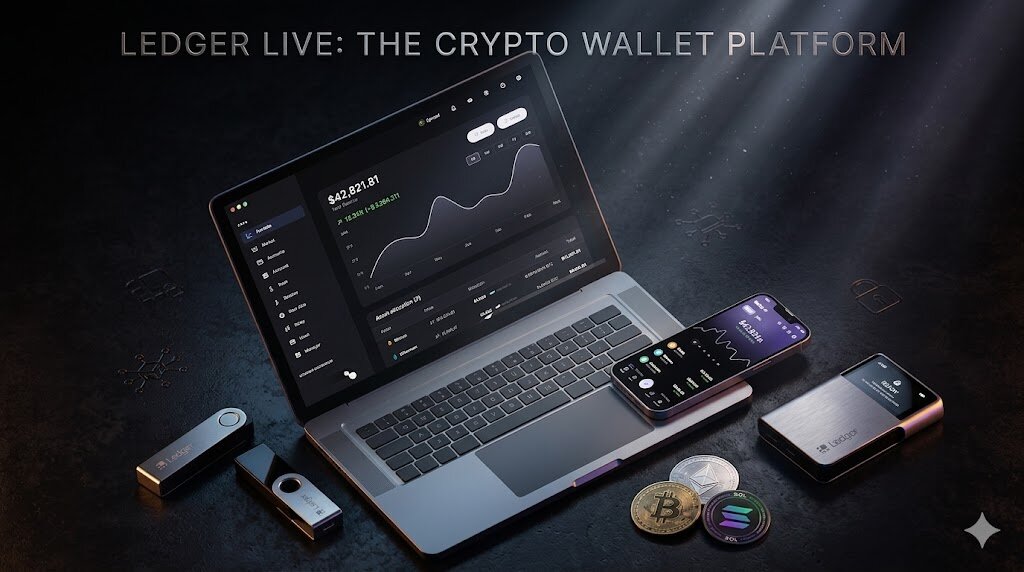
Ledger Live represents one specific approach to crypto wallet management among various alternatives that users can choose between for their cryptocurrency holdings. The Ledger Live application combines hardware wallet integration with software-side features, occupying a specific position in the broader wallet landscape that includes software wallets, browser extensions, mobile-only wallets, and various other categories with different trade-offs.
Understanding how Ledger Live compares to alternatives helps users evaluate whether the platform fits their specific needs versus other options that might suit different situations better. Crypto wallet selection affects security, convenience, feature availability, and various other aspects that determine whether users have positive experiences with their chosen platforms. Different wallets excel at different use cases, with no single option being universally best across all situations and user types.
This overview examines Ledger Live in comparison to alternative crypto wallet approaches across the primary categories that the broader market includes. The Ledger Live application provides specific value propositions that distinguish it from alternatives, with the comparison helping clarify when Ledger Live represents the appropriate choice versus when alternatives might fit better for specific user situations and priorities.
Ledger Live Versus Software Wallets
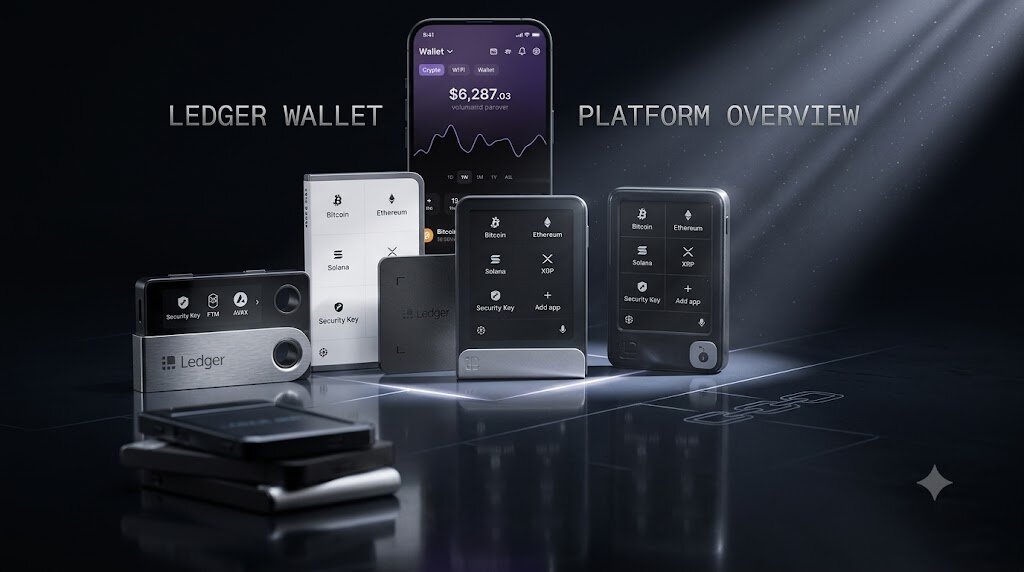
Ledger Live versus software wallets represents one of the most fundamental comparisons in the broader wallet landscape. Understanding the comparison clarifies hardware versus software trade-offs.
Hardware Security Advantage
Hardware security advantage in Ledger Live comparison with software wallets centers on key isolation. The Ledger Live application connects to hardware devices that hold private keys in tamper-resistant secure elements, with the keys never leaving the device regardless of what happens on connected computers. Software wallets store keys on internet-connected devices where malware can potentially access them, creating attack vectors that hardware wallets eliminate through architectural separation. The Ledger Live hardware integration represents the primary security advantage that drives users toward the platform rather than purely software-based alternatives. Users handling substantial crypto holdings particularly benefit from hardware-based protection that purely software wallets cannot replicate regardless of how carefully their implementations handle key storage on their host devices.
Convenience Trade-offs
Convenience trade-offs in Ledger Live versus software wallets involve accepting some friction for the security improvements. The Ledger Live application requires connecting hardware devices before transaction operations, which adds steps that software wallets handle through software-only flows. Software wallets typically launch faster, execute transactions more quickly, and don't require additional physical hardware that hardware-based approaches need. The Ledger Live convenience trade-off represents accepting modest additional friction in exchange for substantially stronger security, with most users finding the security benefits worth the operational friction. Users prioritizing maximum
convenience over maximum security sometimes prefer software wallets, while users prioritizing security accept the operational changes that hardware integration introduces into their crypto workflows.
Feature Coverage Comparison
Feature coverage comparison between Ledger Live and software wallets varies based on specific software wallets being compared. The Ledger Live application provides comprehensive features including portfolio management, staking, swapping, buying, and various ecosystem integrations through its unified interface. Some software wallets match this feature coverage while others focus more narrowly on specific functions. Software wallets like MetaMask excel at DeFi integration while sometimes lagging in other areas, with the specialized focus producing better experiences in specific use cases. The Ledger Live broad feature coverage benefits users wanting consolidated management through one application, while users with specific narrow needs sometimes find specialized software wallets better suited to their specific situations than comprehensive platforms.
| Wallet Comparison | Ledger Live | Software Wallets Aspect |
|---|---|---|
| Key storage | Hardware secure element | Software on device |
| Transaction signing | Hardware authorization | Software-only |
| Malware vulnerability | Architectural protection | Direct exposure |
| Operational speed | Requires device connection | Immediate |
| Mobile portability | Bluetooth dependency | Native mobile |
| DeFi access | Through compatible wallets | Often native |
| Feature breadth | Comprehensive platform | Variable |
| Hardware purchase | Required | Not required |
Ledger Live Versus Browser Extensions

Ledger Live versus browser extensions addresses the comparison with extension-based wallet alternatives. Understanding this comparison clarifies different operational approaches.
Browser Extension Convenience
Browser extension convenience in comparison with Ledger Live involves quick web3 access through browser integration. Browser extension wallets like MetaMask integrate directly into browsers, providing immediate access to DeFi protocols and various other Web3 services through the same browser users employ for general web activity. The Ledger Live application requires switching between the wallet application and browsers for activities that don't have direct Ledger Live integration, creating additional context switching that pure extension users avoid. Extension convenience particularly suits users who spend substantial time in DeFi activities where extension-based wallets provide natural integration with the Web3 sites they regularly use. The Ledger Live alternative through compatible extensions like MetaMask preserves hardware security while providing the extension convenience that pure software extension users enjoy.
Security Architecture Differences
Security architecture differences between Ledger Live and pure browser extensions involve fundamental key storage approaches. The Ledger Live hardware integration keeps private keys in tamper-resistant chips that browsers cannot access, while pure browser extension wallets store encrypted keys within browser storage that potentially has more exposure to various attack vectors. Browser-based attacks affecting extensions can sometimes access wallet data in ways that hardware-isolated keys remain immune to, creating different practical security profiles between the approaches. The Ledger Live security architecture protects against scenarios that affect pure extension wallets, while compatible extension setups that connect to Ledger hardware combine extension convenience with hardware
security. Users seriously concerned about security typically prefer setups that include hardware protection rather than pure software approaches regardless of how convenient pure software alternatives might be.
Web3 Integration Models
Web3 integration models differ between Ledger Live and browser extension wallets in how they connect to decentralized applications. Browser extension wallets typically inject themselves into web pages, providing automatic connection options when sites request wallet interactions. The Ledger Live application handles Web3 integration through different mechanisms including WalletConnect for some integrations and direct dApp browsing for selected applications. Each approach has different operational characteristics, with browser extension automatic injection providing some convenience while Ledger Live's explicit connection approach providing some security advantages through more deliberate connection establishment. Users active in DeFi often combine approaches, using Ledger Live for asset management while using compatible browser extensions that connect to their hardware devices for actual DeFi interaction during browser sessions.
Ledger Live Versus Exchange Wallets
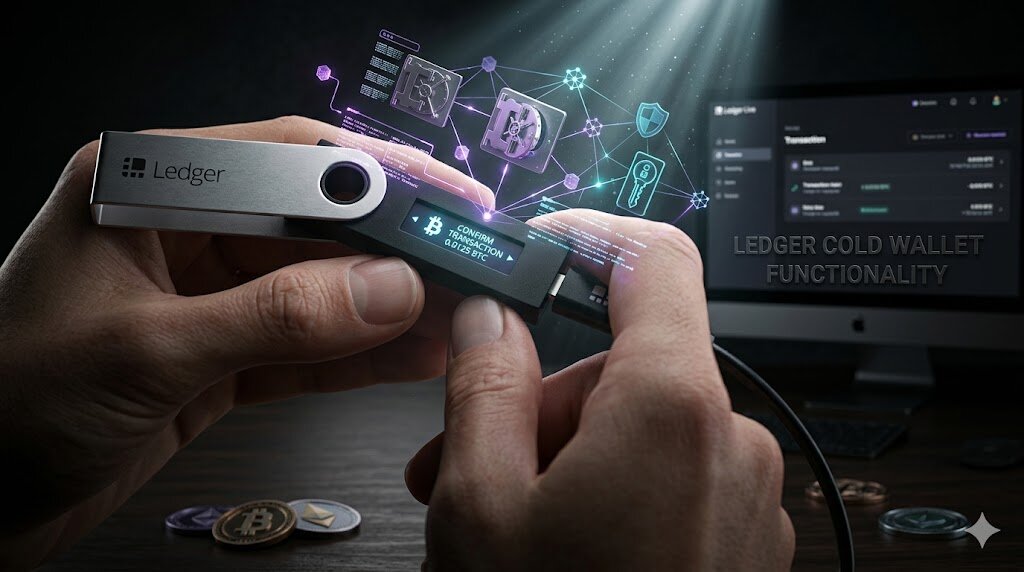
Ledger Live versus exchange wallets addresses the comparison with centralized exchange custody approaches. Understanding this comparison clarifies self-custody versus exchange custody trade-offs.
Self-Custody Versus Exchange Custody

Self-custody versus exchange custody represents one of the more fundamental crypto choices that Ledger Live versus exchange comparison highlights. The Ledger Live
application supports self-custody where users hold their own private keys through hardware devices, eliminating the counterparty risk that exchange custody involves. Exchange wallets hold customer crypto on behalf of users, with the exchange having technical access to funds that customers don't directly control. Exchange custody simplifies many operational aspects but introduces counterparty risk that has affected substantial amounts of crypto when exchanges have failed historically. The Ledger Live self-custody model represents the architectural alternative that addresses counterparty risk through eliminating the intermediary that introduces it, putting users in direct technical control of their own assets rather than depending on exchange operational integrity.
Operational Convenience Comparison
Operational convenience comparison between Ledger Live and exchange wallets favors exchanges for trading activities while favoring Ledger Live for holding activities. Exchange wallets integrate directly with trading interfaces, supporting rapid trading without the friction that moving assets between exchanges and self-custody wallets creates. The Ledger Live application handles holding and managing crypto efficiently but doesn't include sophisticated trading functionality that active traders sometimes need. Many users implement hybrid approaches using exchanges for active trading while moving longer-term holdings to Ledger Live for self-custody security. The hybrid approach captures benefits of both architectures rather than forcing pure choices between trading convenience and self-custody protection across different activity types within users' broader crypto management patterns.
Recovery and Support Differences
Recovery and support differences between Ledger Live and exchanges affect what happens when users encounter problems. Exchanges typically offer customer support that can sometimes help with various issues including forgotten passwords, locked accounts, and various other problems through identity verification processes. The Ledger Live self-custody model provides no equivalent recovery path for lost recovery phrases, with users bearing complete responsibility for their backup management. The Ledger Live ledger recover service offers an optional alternative that introduces some institutional recovery capability through sharding, though traditional self-custody still provides no recovery support beyond user-managed backups. Users evaluating the trade-off consider whether they can reliably maintain offline backups versus whether they need the recovery support that custodial alternatives provide for users without strong backup discipline.
Ledger Live Versus Other Hardware Wallets
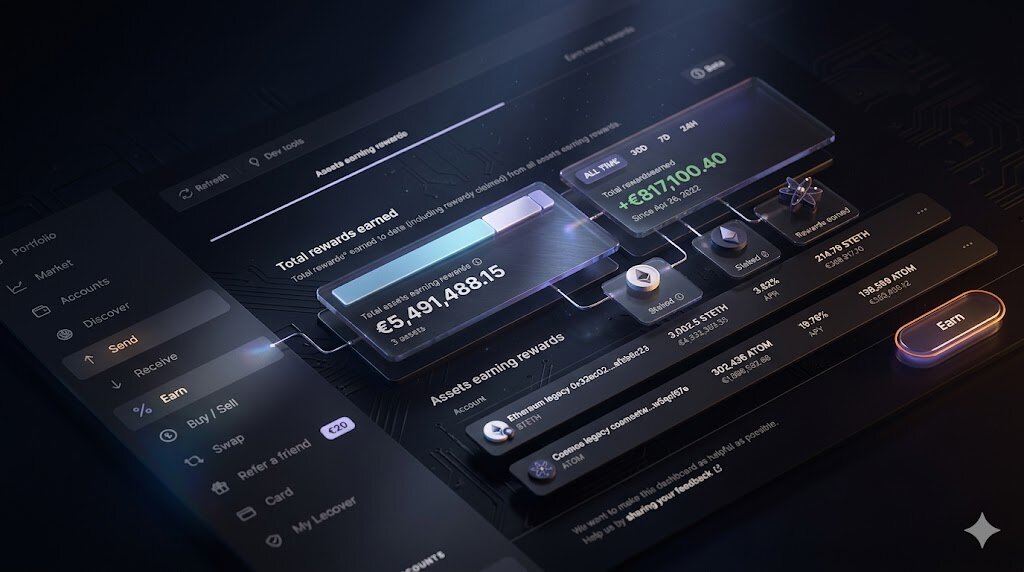
Ledger Live versus other hardware wallets addresses comparisons within the hardware wallet category. Understanding this comparison clarifies positioning within hardware wallet alternatives.
Ledger Versus Trezor Comparison
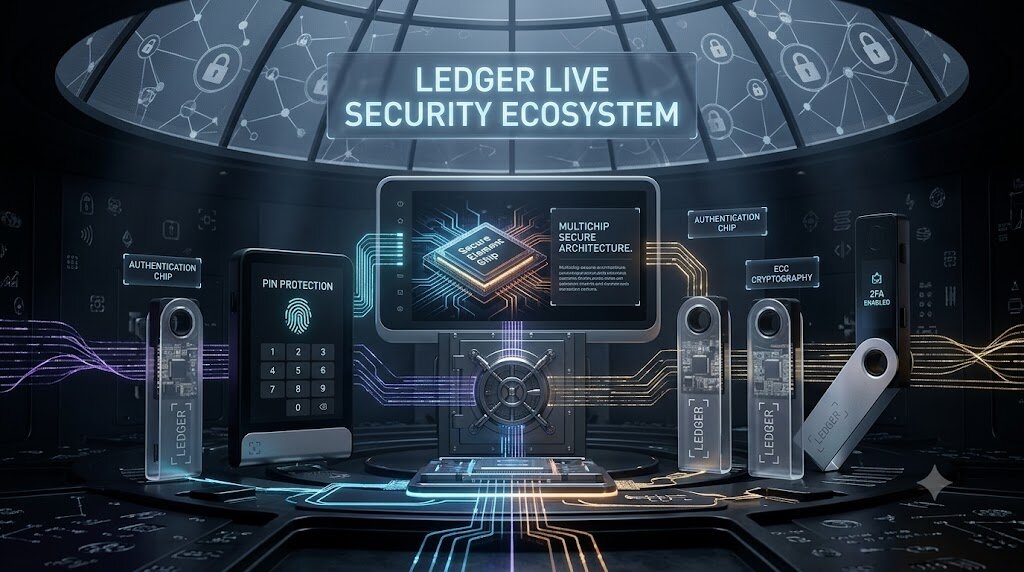
Ledger versus Trezor comparison represents one of the most common hardware wallet evaluations users make. The Ledger Live ecosystem competes primarily with Trezor's hardware wallet ecosystem, with both providing hardware-based crypto storage through different specific implementations. Ledger devices typically include secure element chips that handle cryptographic operations within tamper-resistant hardware, while Trezor uses open-source software-based approaches. Both approaches have proponents and trade-offs, with Ledger's secure element providing certain physical security properties while Trezor's open-source approach providing different security verification properties. Users comparing Ledger versus Trezor evaluate factors including supported assets, feature breadth, user interface preferences, and various other practical considerations beyond just the underlying cryptographic architecture differences.
Software Ecosystem Differences
Software ecosystem differences between Ledger Live and other hardware wallet companion applications affect daily usage experience. The Ledger Live application provides comprehensive features including swap, buy, staking, and various ecosystem integrations through its unified interface. Other hardware wallet companion applications vary in their feature breadth, with some focusing more narrowly on basic wallet operations while others approach Ledger Live's comprehensive coverage. The Ledger Live software ecosystem represents substantial investment in user experience beyond just hardware-software pairing, with the comprehensive features distinguishing the broader Ledger platform from
alternatives that focus more exclusively on the hardware aspects. Users evaluating hardware wallet alternatives consider the companion software experience alongside the hardware itself.
Asset Support Variations
Asset support variations across hardware wallet platforms affect which cryptocurrencies users can actually manage through each option. The Ledger Live application supports thousands of crypto assets across dozens of blockchain networks, with the broad coverage suiting users running diverse holdings. Other hardware wallet platforms support different asset ranges, with some excelling in specific niches while others matching Ledger's breadth. Users with holdings across many specific blockchains particularly benefit from broad asset support, while users focused on just a few major cryptocurrencies sometimes find narrower-support alternatives equally suitable. The Ledger Live asset coverage represents one of the more comprehensive options in the hardware wallet space, supporting both mainstream cryptocurrencies and various more specialized blockchains that some alternatives don't cover.
The major Ledger Live versus alternatives considerations include the following:
1. Hardware security versus software wallet operational simplicity 2. Browser extension convenience versus hardware protection 3. Self-custody architecture versus exchange custody operational ease 4. Comprehensive companion software versus minimal companion apps 5. Asset coverage breadth versus specialized narrower support 6. Recovery phrase responsibility versus institutional recovery 7. Cross-platform availability versus platform-specific alternatives 8. Open ecosystem integration versus closed proprietary systems
Ledger Live Platform Positioning
Ledger Live platform positioning within the broader wallet landscape reflects specific value propositions. Understanding positioning clarifies the platform's role.
Target User Profiles
Target user profiles for Ledger Live tend toward users prioritizing security alongside comprehensive functionality. The Ledger Live application particularly suits users with substantial crypto holdings where security investment makes economic sense, users running diverse multi-blockchain portfolios benefiting from comprehensive support, and users wanting self-custody with strong protective architecture. Pure traders prioritizing maximum trading convenience sometimes find exchange-based alternatives better suited to their needs, while DeFi users sometimes prefer extension-based approaches for browser integration. The Ledger Live target profile represents substantial portions of the serious crypto user population, with the platform's specific positioning capturing users whose priorities align with hardware-secured comprehensive crypto management through unified applications rather than fragmented tools.
Value Proposition Summary
Value proposition summary for Ledger Live combines hardware security with comprehensive functionality through a unified application. The Ledger Live application delivers what hardware wallet alternatives sometimes lack in software experience and what software wallet alternatives lack in hardware-based protection. The combined approach produces value that pure software or pure hardware approaches cannot match through their narrower focuses. Users selecting Ledger Live typically value the integration of hardware security with comprehensive software features, accepting the hardware purchase requirement and operational friction as worthwhile costs for the benefits the broader platform provides. The Ledger Live value proposition particularly resonates with users who view crypto as long-term
investment requiring serious security infrastructure rather than just casual transaction enabling.
Competitive Landscape Position
Competitive landscape position for Ledger Live places the platform among the major hardware wallet alternatives in the broader market. The Ledger Live ecosystem competes with Trezor and various other hardware wallet platforms for hardware-conscious users, while also competing more broadly with software wallets and exchange custody approaches for general crypto user attention. Market share analysis varies depending on which metrics analysts emphasize, with Ledger generally being one of the leading hardware wallet platforms by various measures. The Ledger Live competitive position continues evolving as the broader crypto wallet landscape develops, with new entrants and feature additions across all platforms producing ongoing competitive dynamics that affect user choices and platform positioning across the market.
Common Ledger Live characteristics relevant to wallet comparisons include:
- Hardware-based key isolation distinguishing from software wallets
- Comprehensive companion application beyond just hardware pairing
- Multi-asset support across thousands of cryptocurrencies
- Self-custody architecture eliminating counterparty risk
- Cross-platform availability across desktop and mobile
- Third-party wallet compatibility extending ecosystem reach
- Integrated swap, buy, and staking features
- Recovery phrase responsibility resting with users
- Hardware purchase requirement for full functionality
- Established platform with substantial user base history